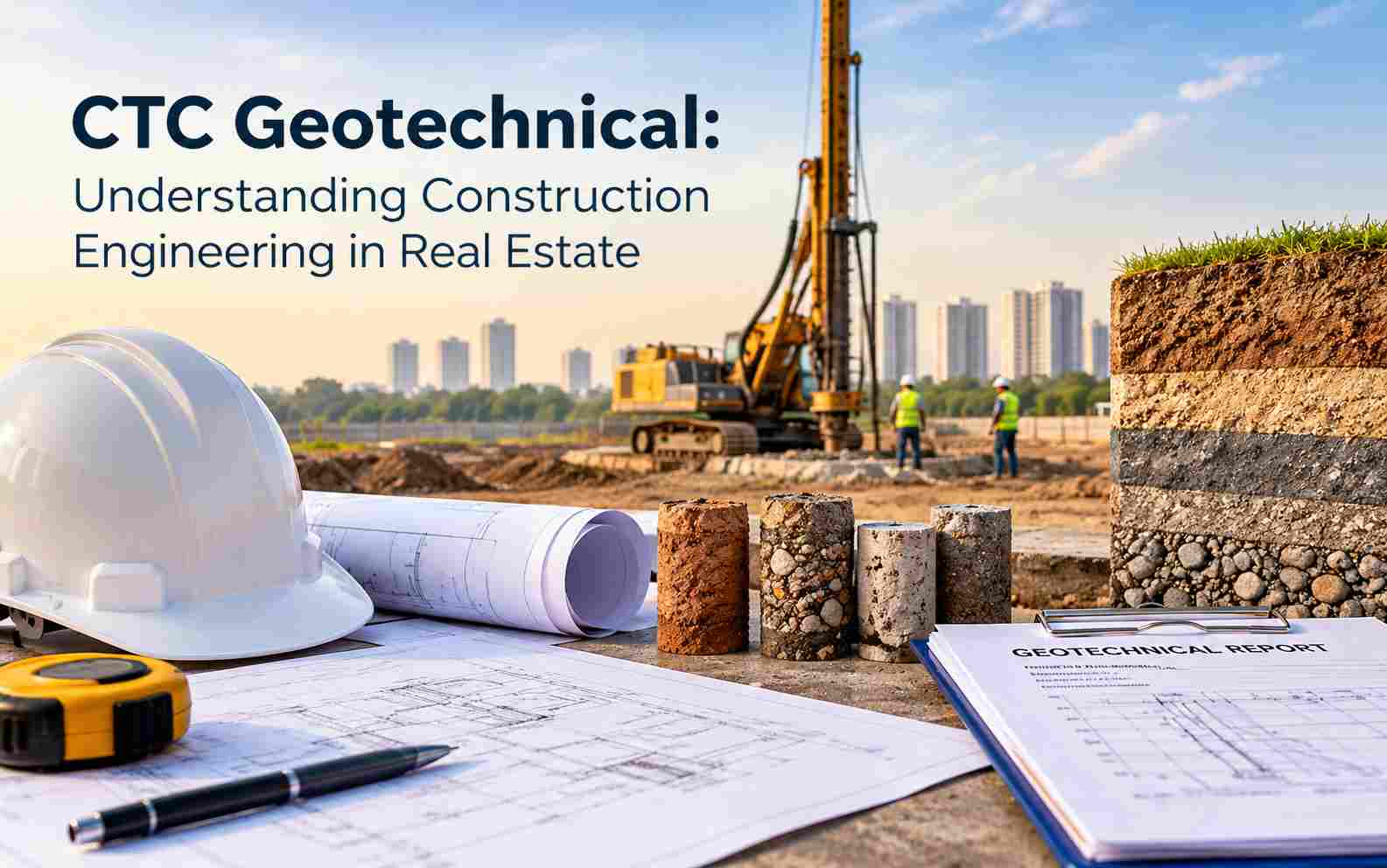
Building a home involves much more than choosing a design or looking at the finished property. A lot of work goes on behind the scenes, from checking the site and preparing technical plans to selecting materials, managing construction and inspecting the finished work. Every stage plays a role in how a building is constructed and prepared for handover.
For homebuyers, having a basic understanding of this process can be helpful. It allows you to ask the right questions, understand the information shared by a developer and make a more informed decision before investing in a property.
What Is Involved in Construction Engineering?
Construction engineering deals with the technical and practical aspects of building a property. It brings together planning, engineering, materials, site activities and quality checks to ensure that different parts of a project work as intended.
The requirements can vary depending on the type of building. A high-rise residential tower, for instance, involves different structural and technical considerations than an office building, hotel or industrial facility.
Good coordination is important at every stage. A decision made during the planning process can affect construction time, project costs, workmanship and the final handover.
1. Planning Before Construction Starts
Every construction project begins with proper planning. Before work starts on site, the team needs to understand the land, building design, technical requirements and approvals needed for the development.
Some of the main areas to consider include:
- Site conditions and the suitability of the land.
- Building layouts, drawings and design requirements.
- Structural planning and building services.
- Construction schedules and team responsibilities.
- Required approvals and applicable regulations.
Planning ahead helps the team identify potential issues before they become difficult or expensive to fix. It also gives everyone a clearer idea of the work involved and how different stages should be completed.
The exact planning process depends on the project, its design and the applicable requirements.
2. Engineering and Technical Work
Once the plans are ready, engineering helps turn the proposed design into something that can be built. This includes working on the building's structural system and coordinating services such as electrical wiring, plumbing, drainage and ventilation.
All these elements need to fit together properly. For example, plumbing lines and electrical installations must be planned around the building layout and structural components.
This is also why a property's appearance does not tell the whole story. Attractive flooring, modern fittings and well-finished walls are easy to notice, but much of a building's technical work remains hidden once construction is complete.
For buyers, understanding this difference is useful when assessing a property beyond its overall look.
3. Choosing Materials and Managing Supplies
The quality and availability of construction materials can affect both the progress and the final outcome of a project. Procurement involves arranging the required materials, equipment and supplies according to the project's specifications, budget and schedule.
These materials must also reach the site at the right time and be stored properly. A delay in deliveries or the use of materials that do not meet the required specifications can affect other construction activities.
If you are buying a home, ask for written details about important features such as flooring, windows, electrical fittings and bathroom fixtures. Compare these details with the project specifications and your purchase agreement.
It is always better to have important commitments in writing rather than relying only on what is explained during a sales discussion.
Want to know more about Pardos projects?
Speak with our team to understand the available project information.
Enquire Now4. Construction and Work at the Site
This is the stage where the actual building work takes place. Depending on the project, it may include structural construction, brickwork, plumbing, electrical installations, waterproofing and interior finishing.
These activities are closely connected. For instance, waterproofing needs to be completed and checked at the appropriate stage before certain finishing work begins. Poor coordination can lead to delays, rework or damage to areas that have already been completed.
The site team also needs to monitor progress and ensure that work follows the approved plans and relevant specifications.
The way construction is managed varies from one development to another, depending on its size, design, schedule and contractual arrangements.
5. Why Construction Quality Checks Are Important
Quality checks help determine whether the materials and completed work meet the required specifications. These checks should take place throughout construction, not just when the building is ready for possession.
Depending on the project, attention may be given to:
- Concrete work and other structural components.
- Waterproofing, drainage and areas exposed to moisture.
- Plumbing and electrical installations.
- Flooring, doors, windows and other finishes.
- Lifts, common areas and shared building services.
A property may look well finished but still have issues that are difficult to spot during a routine visit. Similarly, a visual inspection cannot confirm every aspect of structural safety or the quality of concealed services.
If you have concerns about construction quality, consider getting an independent assessment from a qualified engineer or building inspector.
6. Final Inspection and Property Handover
Construction does not end simply because the building looks complete. Before handover, the project may need to undergo inspections, documentation checks and other procedures required for the development.
The process can include reviewing completed work, identifying defects, providing relevant documents and explaining how utilities and maintenance arrangements will work.
For homebuyers, it is worth understanding these steps before signing the purchase agreement. Pay attention to the possession date, promised specifications and the process for reporting any issues found during inspection.
If you are buying a completed property, check the condition of the home and clarify any outstanding issues before accepting possession.
CTC Geotechnical and Its Construction Experience
According to the company information provided for this article, CTC Geotechnical Pvt. Ltd. was established in 1990. Its stated experience covers different types of developments, including high-rise towers, commercial buildings, embassies, hotels, offices, residences and industrial facilities.
The company's stated capabilities include planning, engineering, procurement, construction, quality control, execution and handover. These activities cover several important parts of the construction process, from early technical work to the completion of a building.
Working across different types of developments can involve a wide range of engineering and construction requirements. However, the exact role of a company depends on the services it has been appointed to provide for a particular project.
What Should Homebuyers Check Before Buying a Property?
Understanding construction engineering is a useful starting point, but buyers should also check the details of the property they plan to purchase. A few practical steps can help you make a more informed decision.
Review the Property Specifications
Check the apartment layout, flooring, fittings, finishes and facilities included in the offer. If anything differs between the sales brochure and the purchase agreement, ask the developer to clarify it in writing.
Check Project Approvals and Registration
Review the applicable approvals, registration details and other relevant project documents. If you are buying a property in Haryana, you can check registered project information through the official Haryana RERA portal, where applicable.
Ask About Construction Progress
For an under-construction property, find out which stages have been completed and what work remains. Compare the information provided by the developer with available project updates and the commitments mentioned in your agreement.
Inspect the Property Carefully
If a site visit is possible, check the visible condition of the walls, flooring, windows, doors and ventilation. Look for signs of dampness, leakage or unfinished work. For concerns about structural quality or technical installations, seek advice from a qualified professional.
Read the Purchase Agreement
Go through the payment schedule, possession terms, promised specifications, additional charges and defect-reporting process. Keep copies of the agreement and written responses to important questions.
Buyers considering Pardos Sector 90 Gurgaon can follow the same steps when reviewing the project and its available documents. The information about CTC Geotechnical's construction experience in this article does not establish that the company is involved in Pardos Sector 90 Gurgaon. Any such connection should be confirmed through reliable, project-specific information.
Final Thoughts
Construction engineering covers several stages, from planning and technical design to material management, site execution, quality checks and handover. Each stage has a different purpose, but they all contribute to the way a building is developed and completed.
For homebuyers, understanding these basics makes it easier to ask relevant questions and look beyond a property's appearance. Checking the project documents, confirming the written specifications and seeking independent technical advice when needed can help you assess a property more carefully before making a major financial commitment.